
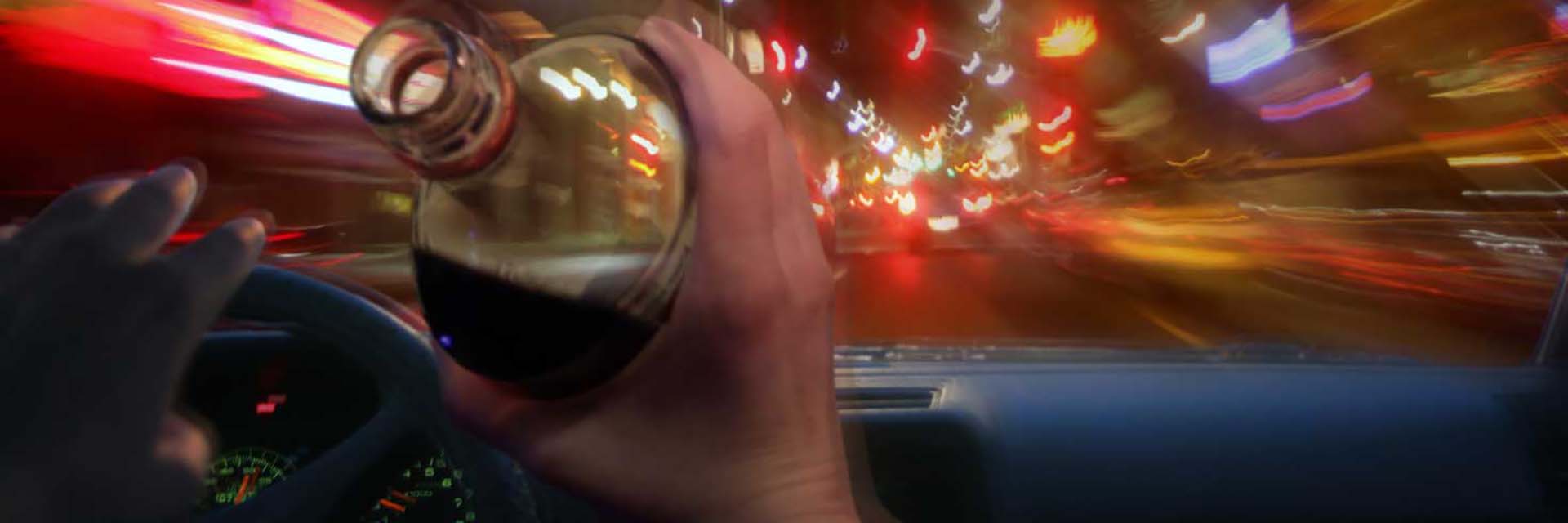
Impaired driving is treated as one of Canada’s most serious criminal offenses. Under the Criminal Code, it occurs when a person operates a vehicle while their ability to drive is compromised by alcohol, drugs (including prescription medications, cannabis, or illegal substances), or a combination of both. Even a small amount of impairment can lead to severe legal consequences. The law prioritizes public safety, meaning prosecutors aggressively pursue convictions – making experienced legal defense essential from the moment of arrest.
The Criminal Code outlines impaired driving in several key ways:
Section 320.14(1)(a): Operating a vehicle while your ability is impaired by alcohol, drugs, or both.
Section 320.14(1)(b): Driving with a blood alcohol concentration (BAC) of 80 milligrams or more per 100 milliliters of blood (“Over 80”).
Section 320.14(4): Impaired driving causing bodily harm (up to 14 years imprisonment).
Section 320.14(3): Impaired driving causing death (life imprisonment).
Key Principle: Impairment is determined by observable symptoms (slurred speech, poor coordination) or scientific testing (breathalyzer, blood tests). Police no longer require “reasonable suspicion” to demand a breath sample at roadside checkpoints.
Alcohol Impairment (“Over 80”)
Based on BAC exceeding 80 mg/100 mL.
Defense Focus: Challenging breathalyzer accuracy, calibration records, or “rising blood alcohol” arguments (alcohol absorbed after driving).
Drug Impairment
Includes cannabis (THC), cocaine, opioids, or prescription drugs.
Defense Focus: Questioning Drug Recognition Expert (DRE) evaluations or blood test procedures.
Hybrid Impairment
Combining alcohol and drugs (e.g., “Over 50 mg” BAC + cannabis).
Penalty Note: Enhanced sentencing due to compounded risk.
Refusal to Provide a Sample
Declining a breath, blood, or sobriety test is a separate criminal charge with penalties equal to high-BAC offenses.
Evidence Scrutiny
We demand full disclosure from police, then:
Review bodycam footage for improper testing procedures.
Challenge Drug Recognition Expert (DRE) protocol compliance.
Constitutional Challenges
If police violated your rights, evidence may be excluded:
Illegal traffic stops (no reasonable suspicion).
Failure to inform you of right to counsel immediately.
Coerced testing or inadequate medical care.
Scientific Defenses
“Rising Blood Alcohol”: Proving your BAC was under 80 mg while driving but rose by the time of testing.
Mouth Alcohol Contamination: From dental work, acid reflux, or recent alcohol consumption.
Medical Conditions: Diabetes (ketosis mimicking alcohol), neurological disorders, or injuries affecting sobriety tests.
Negotiation & Resolution
We aggressively negotiate to:
Reduce charges to careless driving (provincial offense, no criminal record).
Secure alternative sentencing (treatment programs, community service).
Trial Advocacy
If trial is necessary, we:
Cross-examine police on procedural gaps.
Call toxicology experts to dispute testing validity.
Present evidence of your character and community ties.
Police will suspend your license roadside for 90 days.
You’ll face criminal charges with a court date.
Our Action: 24/7 jail support, bail hearing representation, and license suspension appeals.
We obtain police reports, videos, and maintenance records.
Identify defense angles (e.g., Charter violations, testing inaccuracies).
Your Role: Provide a detailed account of the incident.
Negotiations with Crown prosecutors begin.
If no resolution, we prepare for trial (preliminary hearings, motions).
Critical Note: Alberta courts face severe delays – early legal action is vital.
Best case: Charges stayed or dismissed.
Negotiated outcome: Reduced penalties.
Trial verdict: Acquittal or sentencing.
Gigera Law Services proudly serves individuals, families, immigrants, entrepreneurs, and organizations in Canada, Nigeria, and the UK
©2025. Gigera Law Services | All Rights Reserved.